Catarsi Crisadelica (Chrysadelic Catharsis)
VENICE BIENNIAL OF ARCHITECTURE
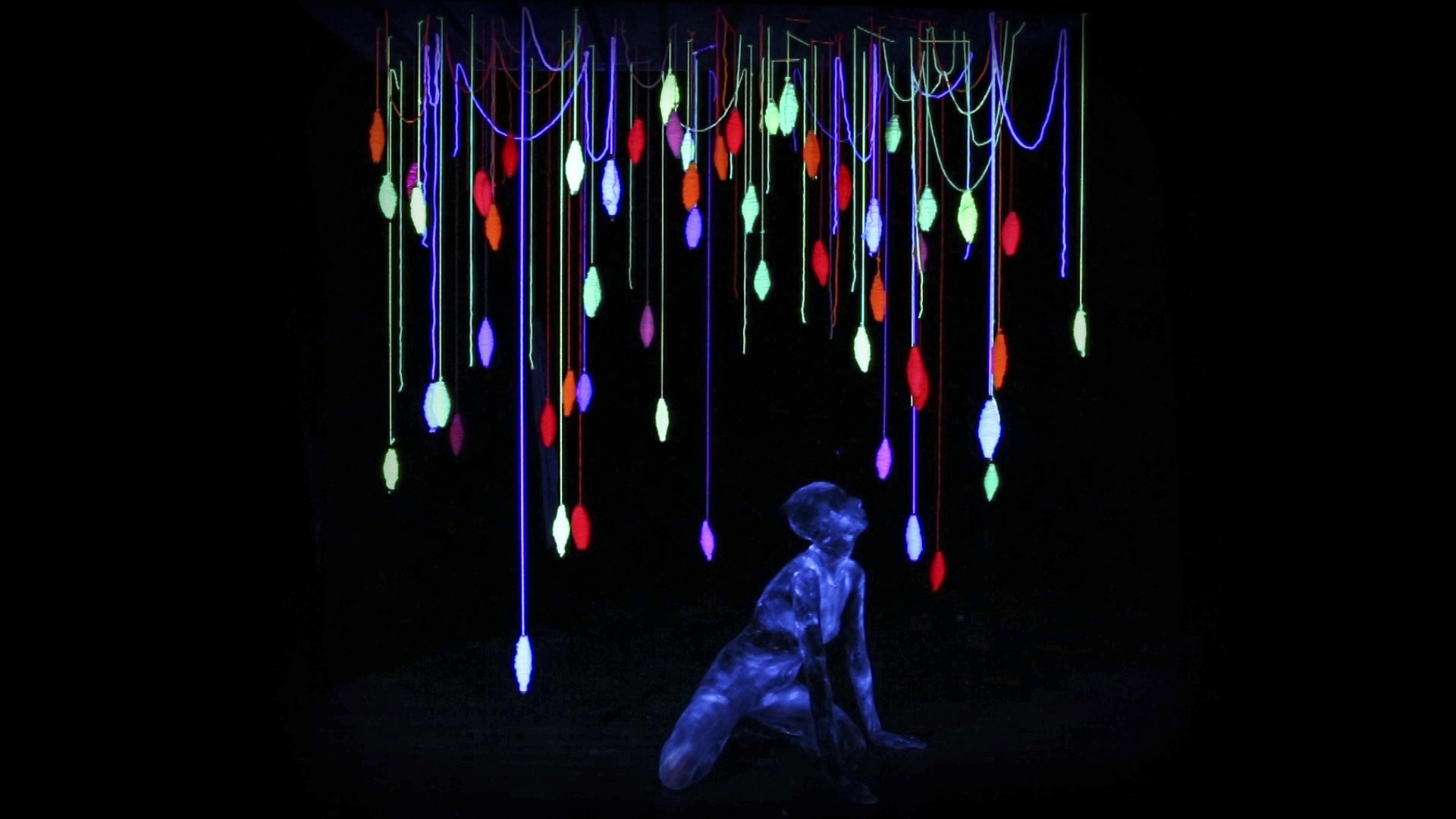
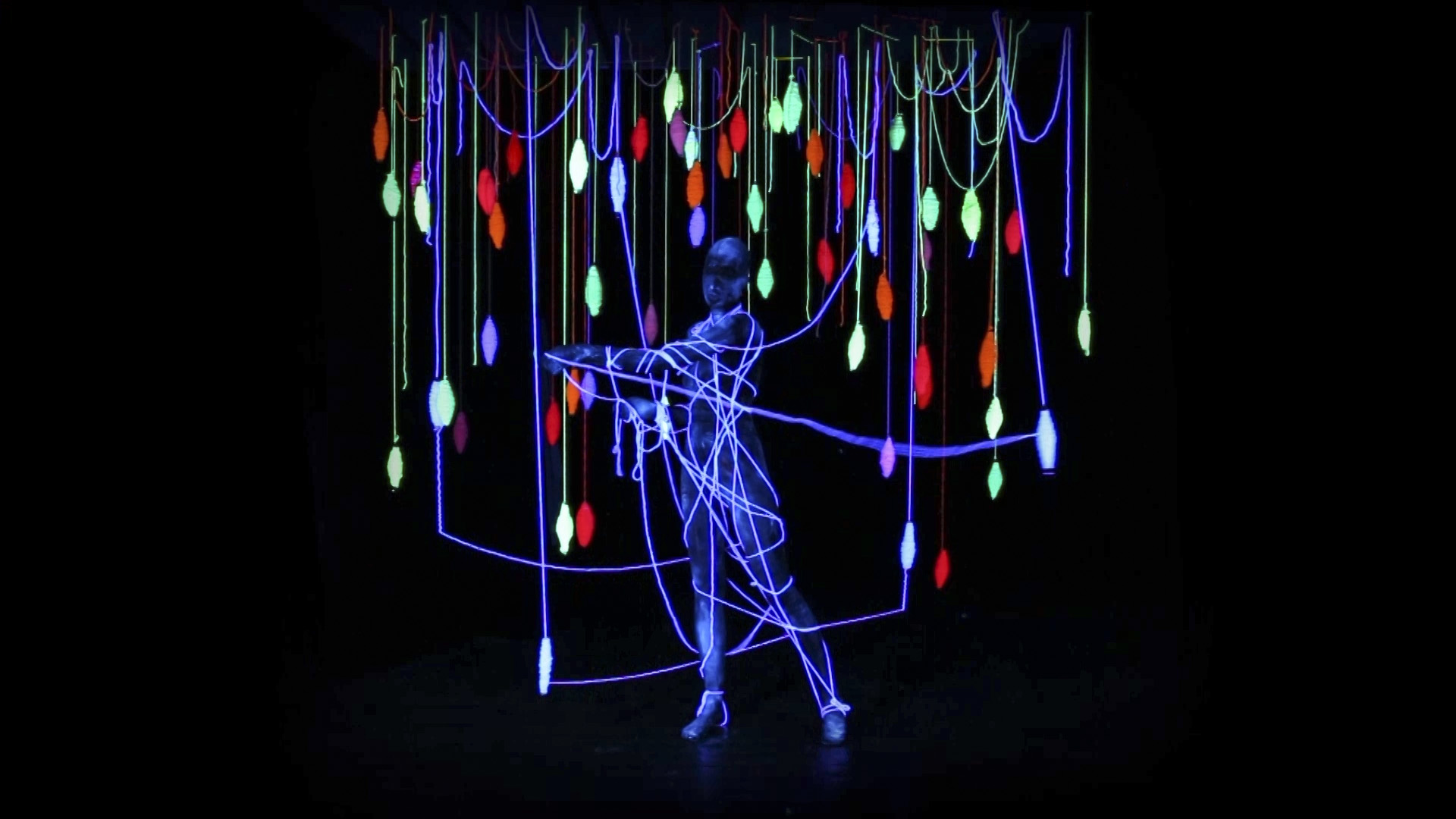
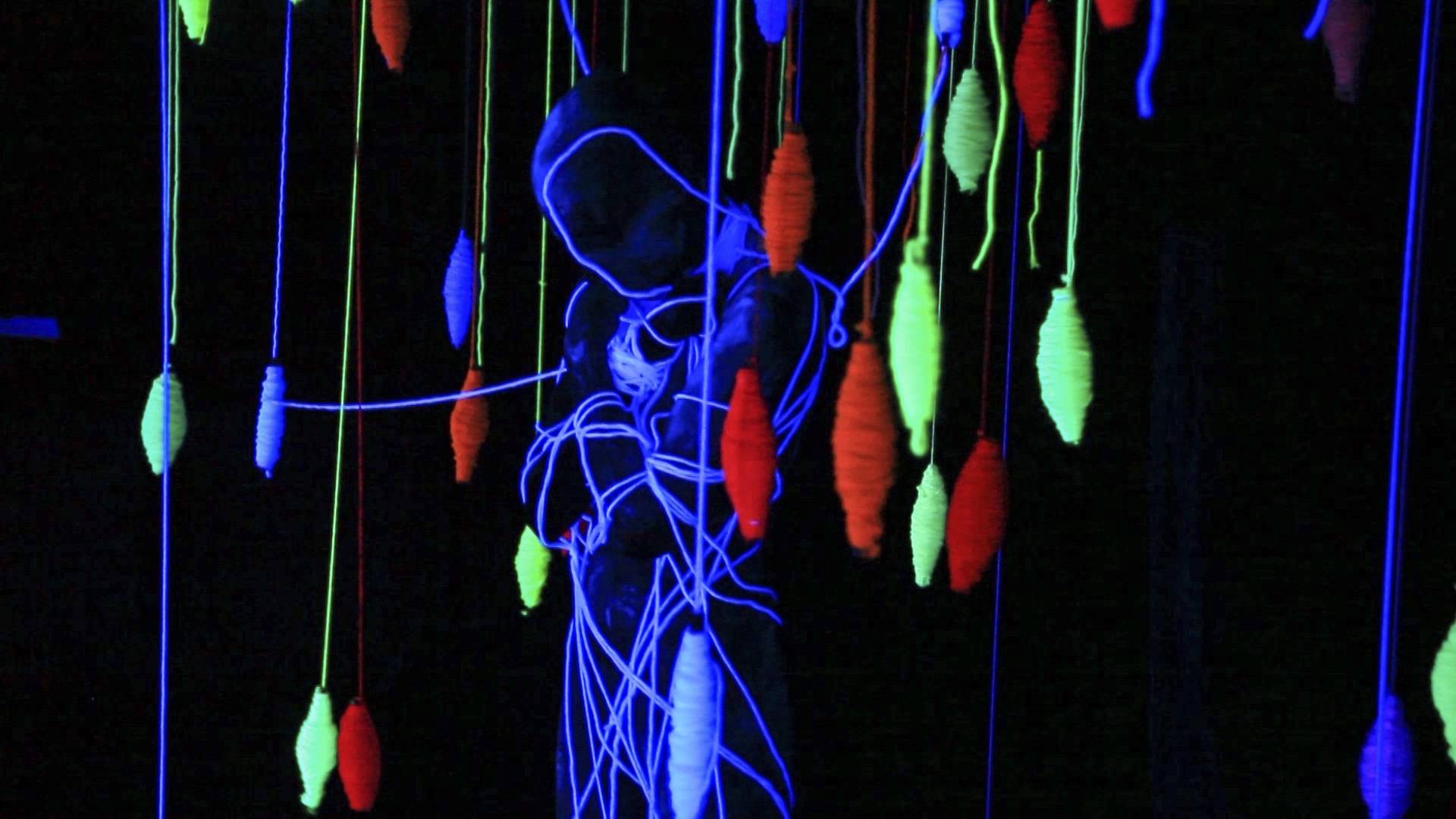
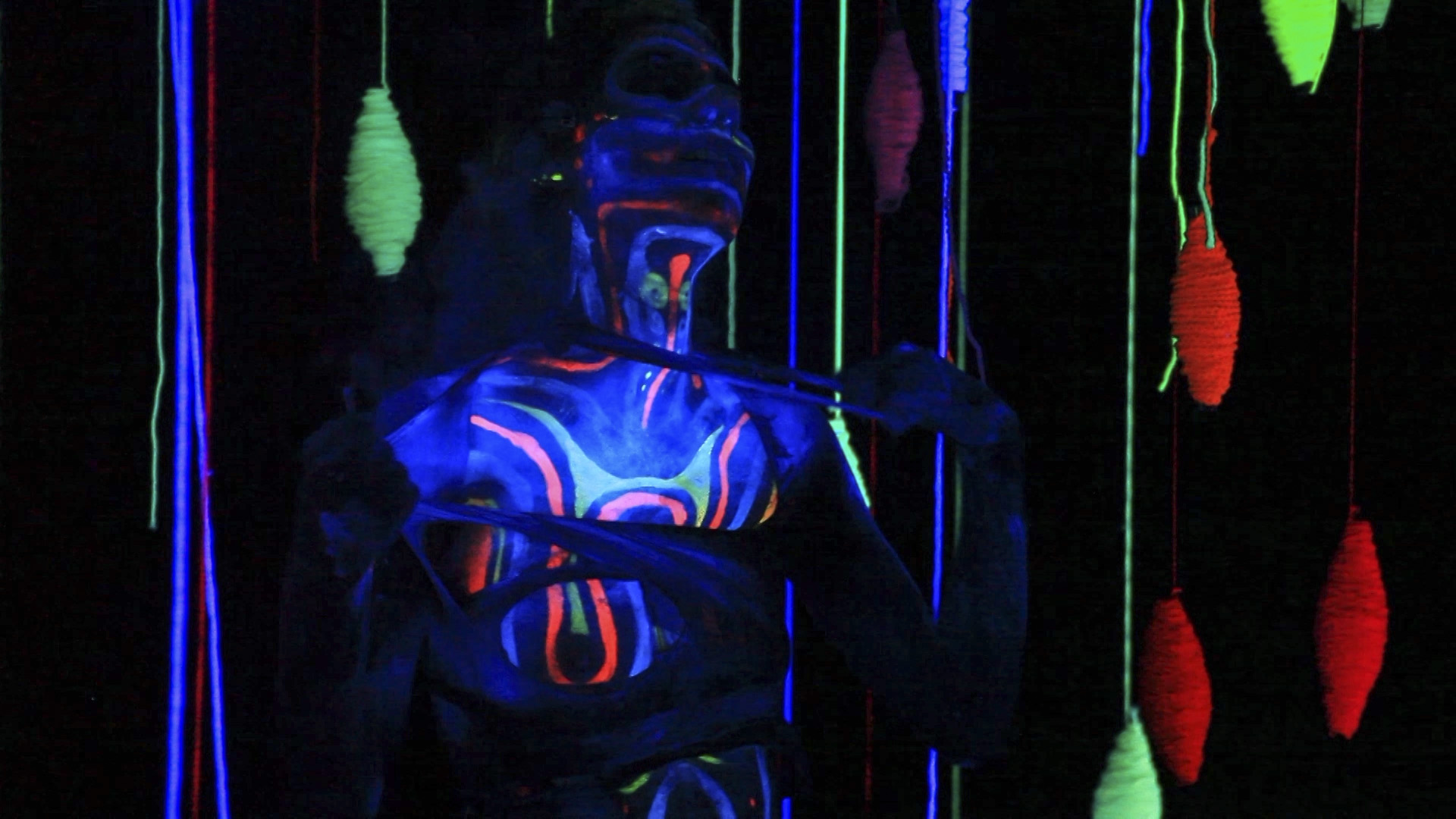
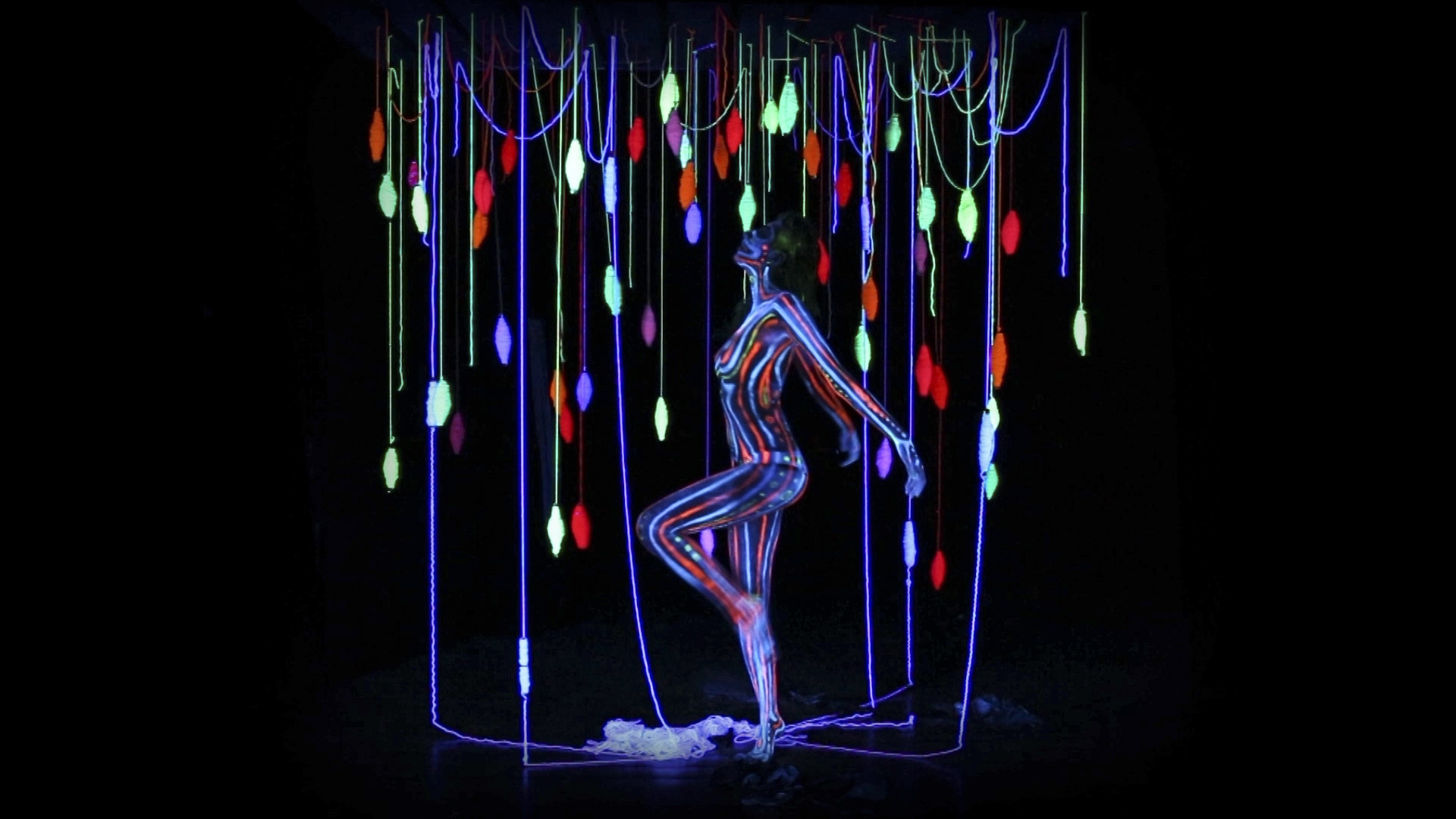
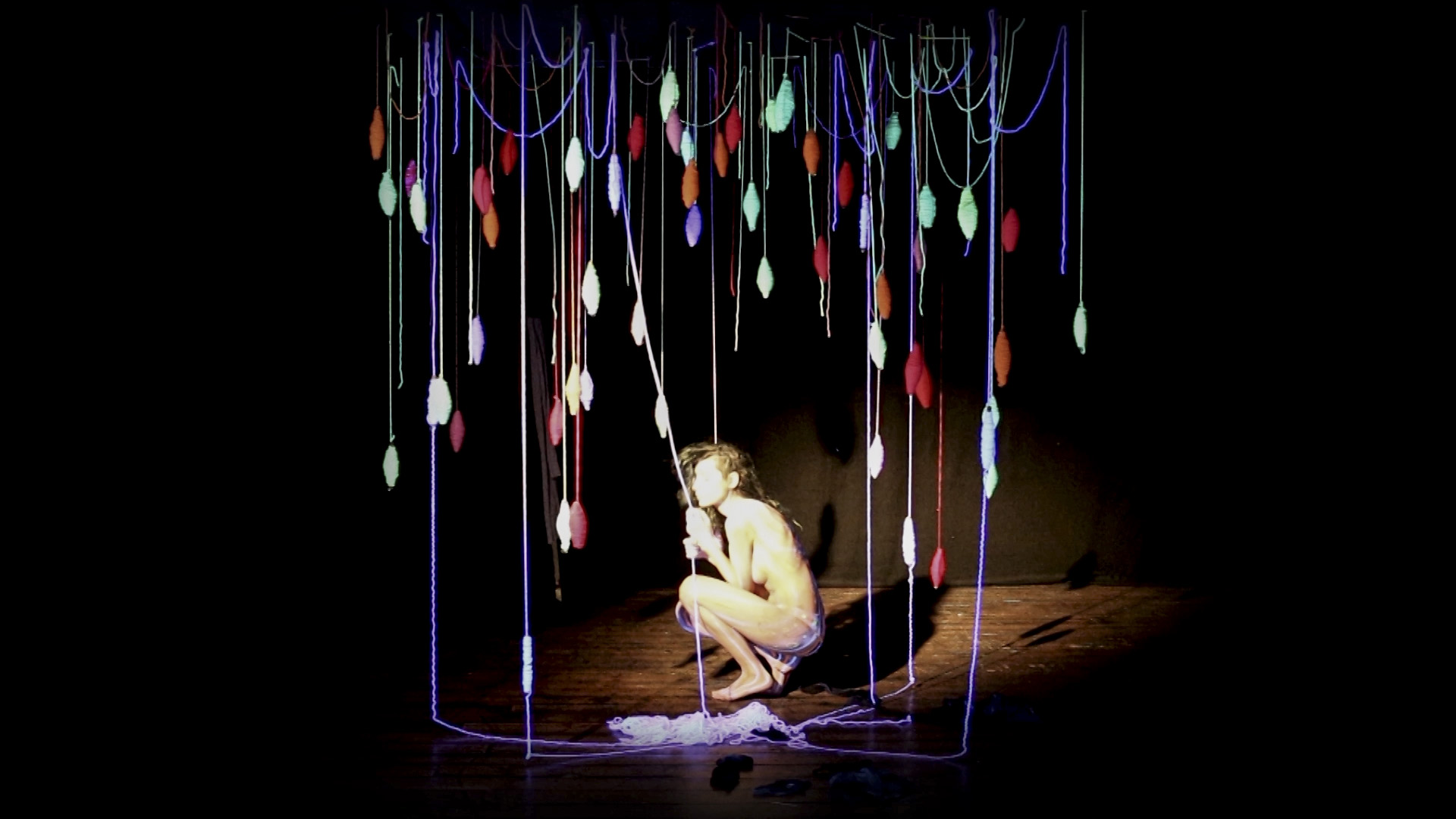
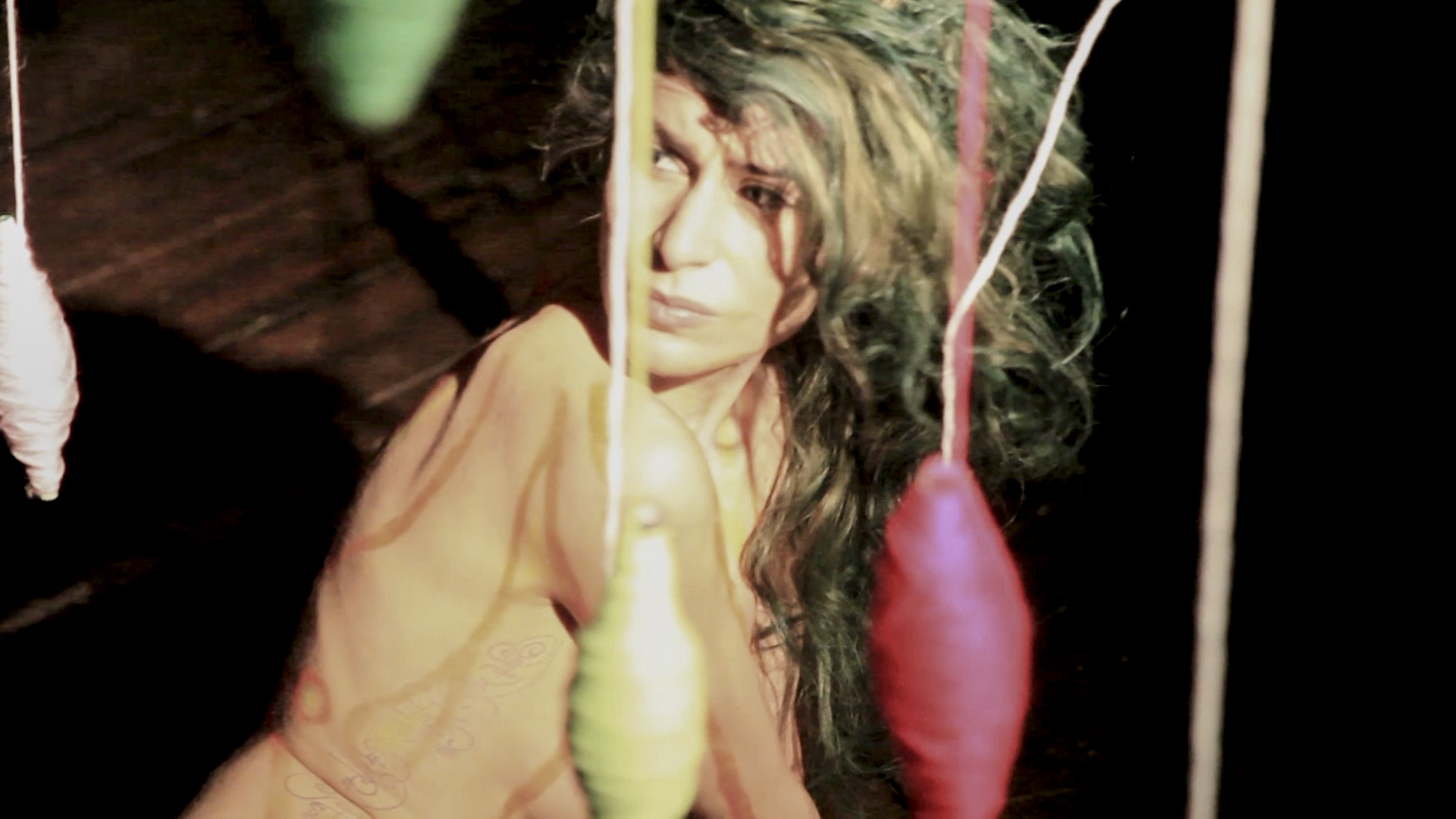
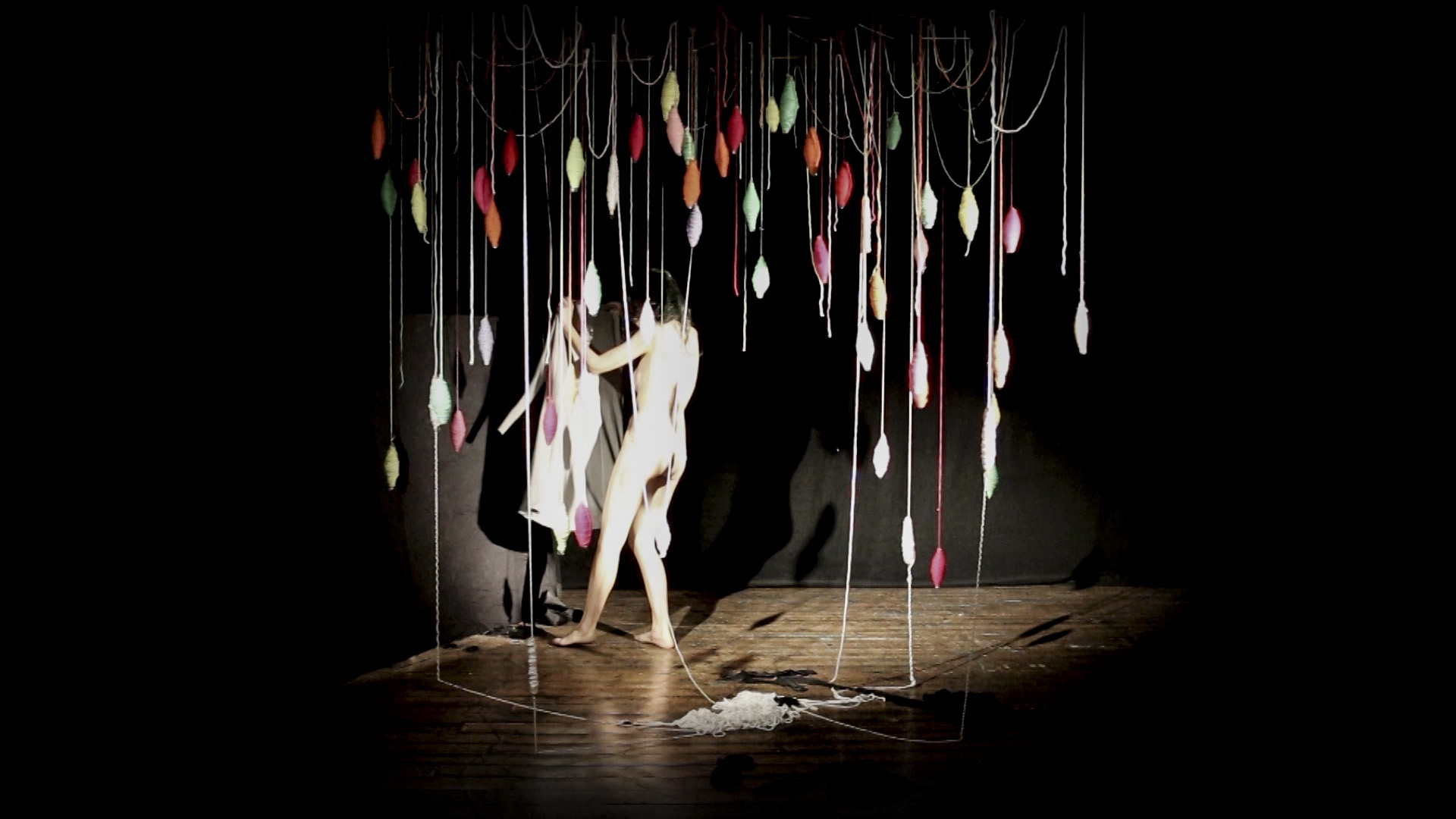
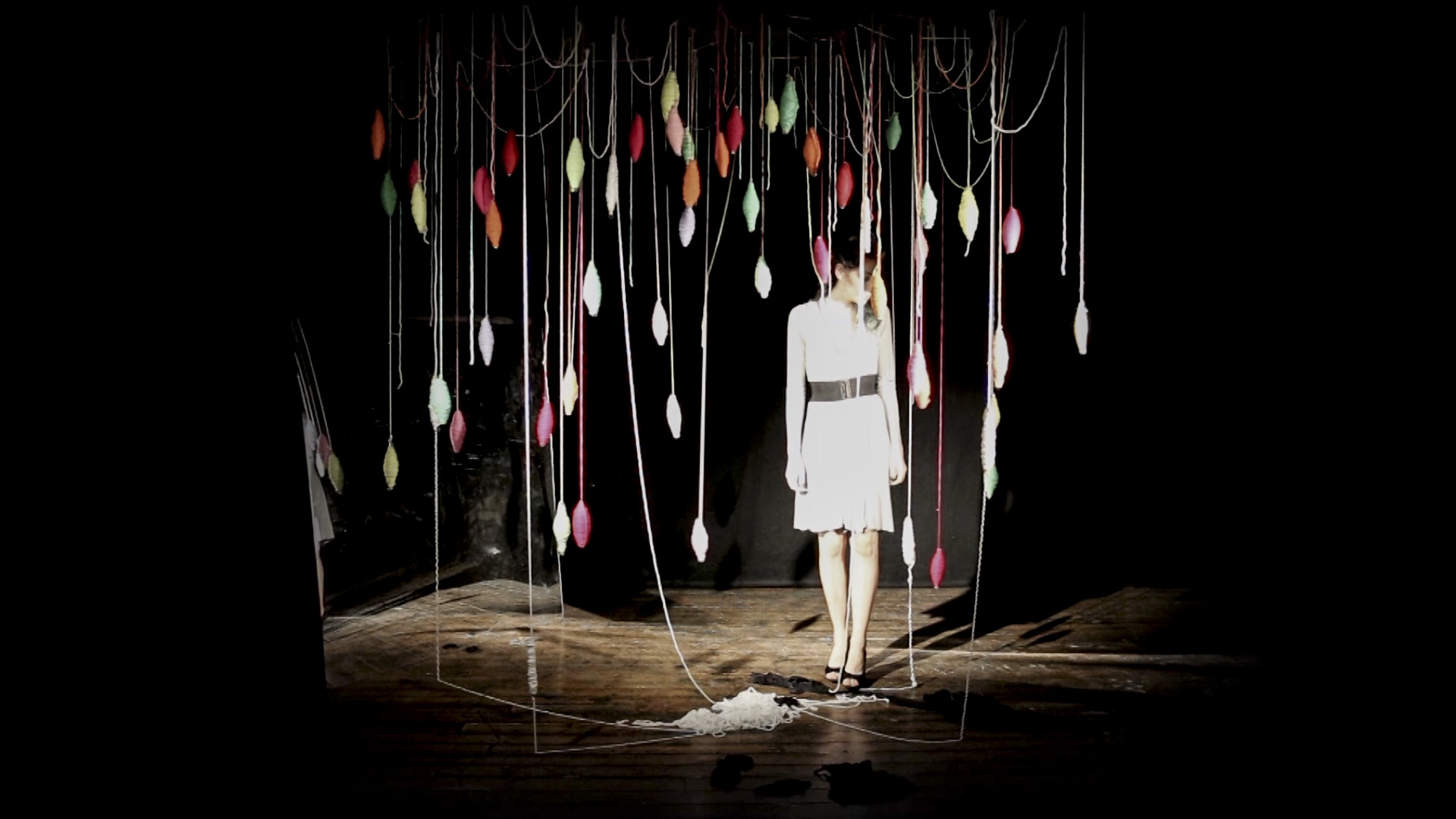
Catarsi Crisadelica (Chrysadelic Catharsis) is the documentation of a performance centered on the transformation of the human being, examined as a complex and contradictory process. At the heart of the project lies the conflict between the natural essence of humanity—as part of the creative force of nature—and its progressive alienation as a product of a functional and economic system. This existential paradox, now unconsciously internalized, is evoked through a biological metaphor: the life cycle of lepidoptera.
The evolution of these insects, particularly the transition from chrysalis to the emergence of the imago (the adult butterfly), becomes a symbolic reflection of the human journey. The chrysalis represents a phase of retreat, elaboration, and formation, while the emergence from it symbolizes the rebirth of the being. In the same way, the human being is called to a “detachment” from initial social and educational structures to reach a new, more authentic and autonomous awareness.
During the performance, this process is interrupted by a sudden change in lighting, breaking the narrative flow and abruptly reintroducing reality. This scenic gesture acts as both visual and symbolic disruption—an invitation to reflect on the ambiguity of transformation and on the forced camouflage that humans often adopt in order to adapt to the world. It raises questions about the very nature of identity and the invisibility of our true selves, often obscured by imposed conventions and masks.
The project was presented at the Brera Academy of Fine Arts (Milan) on the occasion of the second level degree, obtaining the highest grade and honors.
EXCERPT FROM ELEONORA GUGLIOTTA’S THESIS – BRERA ACADEMY OF FINE ARTS
An Indiciary Paradigm: “We Are What We Preserve”
“If one adopts the view that knowledge is the conceptual means by which we make sense of experience rather than the representation of something presumed to exist beyond it, this change in perspective entails an important corollary:
the concepts and relationships by which we perceive and conceive the experiential world are necessarily generated by ourselves.
In this sense, we are responsible for the world of which we are making experience.”
E. Von Glasersfeld
Indeed, we preserve ideas about life — the idea of ourselves — and we do so through our convictions. Memory preserves for us the idea of our experience, which leads to our identity, the story we tell and keep telling ourselves.
We preserve what preserves us: the coherent idea through which we narrate our being, our past, our essence. We preserve, almost obsessively, objects, people, and experiences — and we do it methodically, through mental logics and facts that have become beliefs, guiding us in return.
Life, then, is nothing more than the experience of a mental state — an experience we become aware of through a body, a world, and the existence of others within a specific place and time, and above all through the operations of cognition and memorization of that experience as acquired knowledge.
Everything is filtered through logic and reason, which build the world of beliefs and convictions. Husserl, though opposing psychologism, maintained that it is precisely the laws of logic that drive the necessity upon which the very will to know and to think is based.
The new, the changing, develops through creativity and imagination, fostering adaptation — a space without awareness, where the senses lead us toward a world not yet formed. But the world is vague, and we ourselves are vague enough to understand each other.
Conflict between individuals likely arises when we try to share this world — to make it become one another’s world. That is where we take refuge in the imaginary, and perhaps that is where the root of our solitude lies.
“The belief that the reality each of us sees is the only reality is the most dangerous of all illusions.”
Paul Watzlawick
Ultimately, life is a cognitive process, as one might infer from constructivist philosophy. This process arises from individual experience, from the structure of the observer who interprets the information received. Indeed, it is not the information itself that holds meaning, but the meaning attributed to it by the system with which it interacts — and art is a prime example of this. That is why its very existence or objective vision can, as Husserl would say, be “placed between parentheses.”
Thus, new and profound importance is given to the observer: all the properties once thought to belong to things themselves shift toward the observer — more precisely, toward their intentional act, their thought.
Perception, whether auditory or visual, takes place within the context of simultaneity. We perceive, recognize, elaborate, and utilize neuronal processes simultaneously to form the bundle of cognitive operations. Human perception brings with it the recognition of analyzed elements and their use, yet we only partially perceive the components at play; and to understand what lies beyond our reach, we rely — consciously or not — on experience. Such perception therefore carries the use of paradigms and memories. This is why an artist cannot detach from perceiving their inner world in order to understand the outer one — to question what the world is for, and to speak of the world at all.
This idea echoes the narrative writing of the Prague-born Franz Kafka. His text becomes, in a sense, reified into something other than itself — and The Metamorphosis matters here, in reference to the symbolic layers and conceptual contents that animate the story. Hence, the written text that follows the performative event takes on the character of a confession — or better yet, an introspective reflection meant to reveal the questions, doubts, and uncertainties accompanying the metamorphic genesis of this artistic operation.
Eleonora Gugliotta